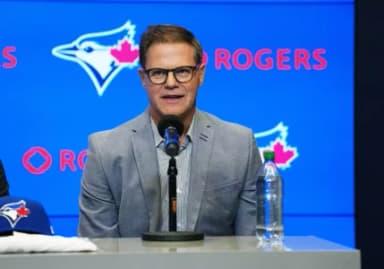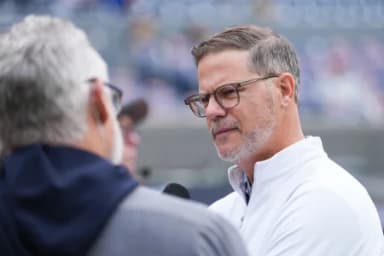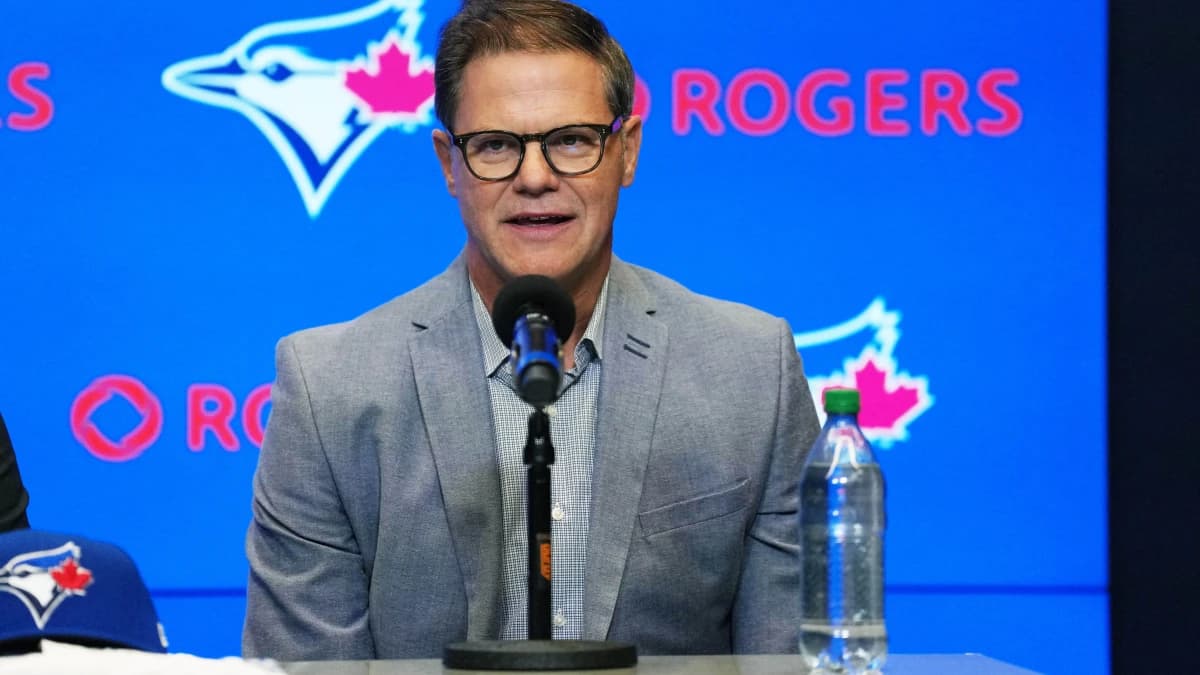

Ross Atkins opened his season-ending remarks by pointing the finger directly at himself.
"As much as we talk about run scoring, run prevention, defence, base running, there's one person to look at for the reasons for that, and that's me," Atkins said.
That's a genuinely direct way to open a postmortem after a season that ended with Toronto missing the playoffs one year after reaching the World Series.
Atkins didn't hide behind the usual front-office language about collective responsibility or unforeseen injuries. He named himself as the person accountable for the roster's shortcomings across every phase of the game.
Why this kind of accountability matters heading into the offseason
Run scoring, run prevention, defense, and base running cover essentially the entire spectrum of on-field performance, meaning Atkins wasn't carving out a narrow area of blame. He took ownership of the whole picture.
That framing sets a real tone for how the front office approaches this offseason. A GM who publicly accepts responsibility for every facet of a disappointing season is signaling that meaningful changes are coming, not just minor tweaks around the edges.
Toronto's offense ranked near the bottom of the league in runs scored and home runs this year, while injuries repeatedly disrupted the pitching staff and lineup construction throughout the season.
Atkins now faces a genuinely important winter, needing to address multiple roster needs while navigating an uncertain CBA situation that could complicate the entire offseason calendar.
His willingness to take this kind of public accountability suggests he understands the scope of what needs fixing, even if the actual solutions remain to be seen.
Whether this leads to major roster changes, coaching staff adjustments, or simply a more aggressive approach to free agency will become clearer as the offseason unfolds.
Do you respect Ross Atkins for taking this kind of direct accountability for the season?