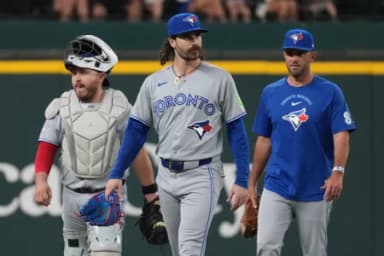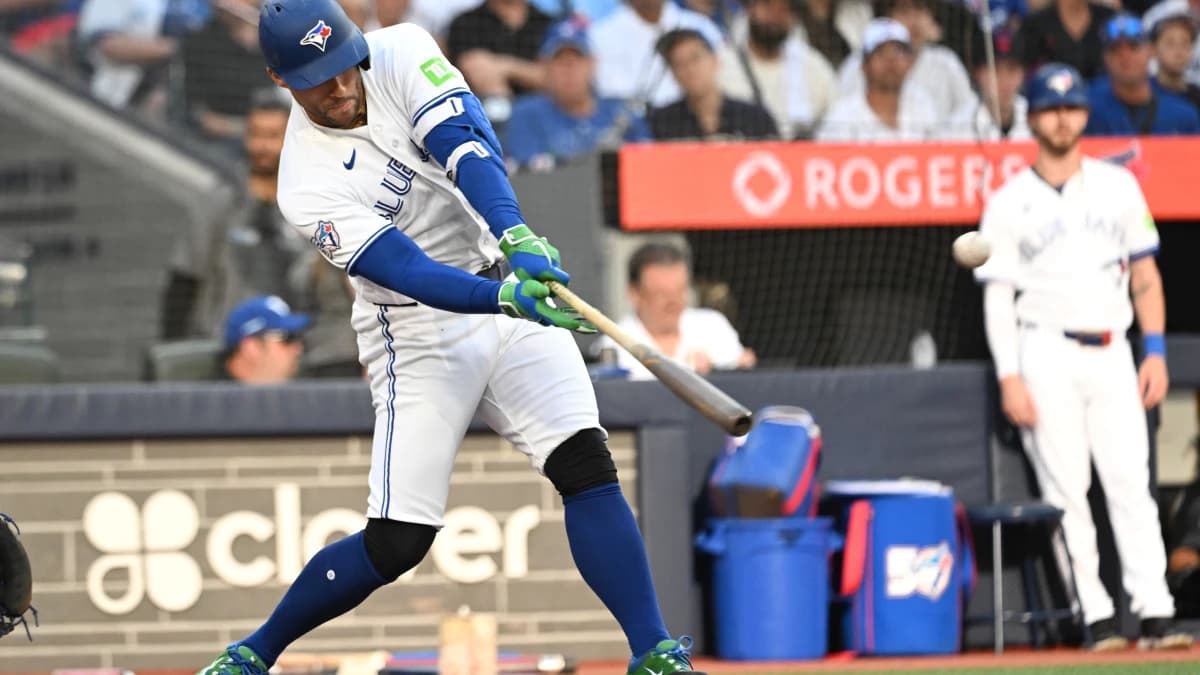

George Springer and John Schneider sit at the center of a Blue Jays deadline call that may matter more for 2027 than for this summer.
That is the sharpest takeaway from the current debate around Toronto's deadline path. The Blue Jays were 40-45 on July 1, 10 games out in the AL East and 2.5 games back of the 3rd wild-card spot.
That standing leaves the front office in the uncomfortable middle. Toronto is not buried, but it also has not played like a club that should spend heavily for a short-term push.
The bigger issue is the offense. The Jays ranked 25th in runs scored with 345, 21st in wRC+ at 95, and 23rd in OPS at .699 through July 1.
That is where the article's argument hits home. If the lineup has slipped this far, then chasing one hot month at the deadline could leave Toronto thinner later without fixing the real problem.
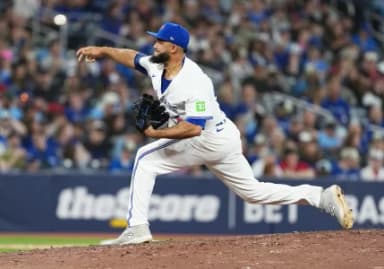
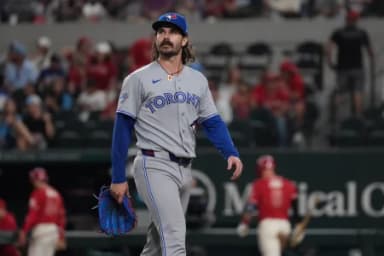
The cleanest path may be dealing expiring contracts instead. The piece points to Springer, Shane Bieber, Kevin Gausman, and Daulton Varsho as pending free agents who could be moved if the club leans toward a reset.
That would not be a white flag on the whole roster. It would be a move to turn short-term pieces into future flexibility while keeping the core timeline aimed at the next season.
Why Toronto's 2027 holes should drive the deadline
This is where the idea gets more interesting than a standard sell-or-buy debate. The article argues Toronto should target players with at least 1 extra year of control if it adds at all, rather than renting help for a club that has not earned that gamble.
That logic tracks. A controlled bat or arm helps the Blue Jays in the final 2 months of 2026 and stays in place for 2027, which is where the roster's next pressure points start to show.
The piece also points back to the 2024 deadline as a model, when Toronto moved several pending free agents and kept only Ryan Yarbrough from that group.
There is still room for a balanced approach. The article notes that players like Kazuma Okamoto, Dylan Cease, Nathan Lukes, Louis Varland, Tyler Rogers, Vladimir Guerrero Jr., Alejandro Kirk, and Jeff Hoffman are already controlled through 2027 or beyond.
That means this is not a teardown argument. It is a roster-shaping argument built around protecting the next window instead of pretending this one is stronger than it looks.
And that is why the deadline call matters so much. If John Schneider's Blue Jays do not catch fire fast, the smartest move may be to trade rentals, keep the longer plan in view, and build a cleaner shot at 2027.
Should the Blue Jays use this trade deadline to fix 2027 instead of chasing a weak 2026 push?
Voting closed