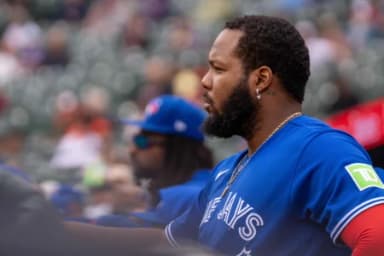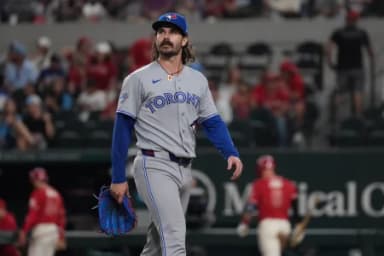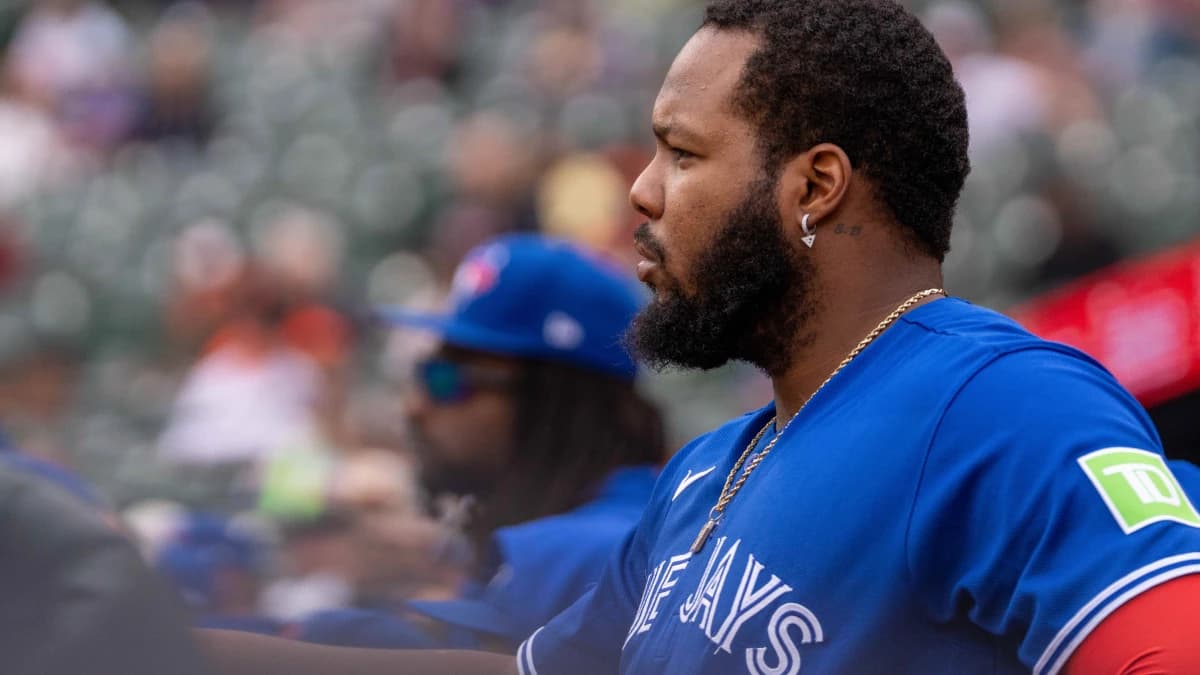

Ross Atkins offered his own theory on what went wrong with Vladimir Guerrero Jr. this season.
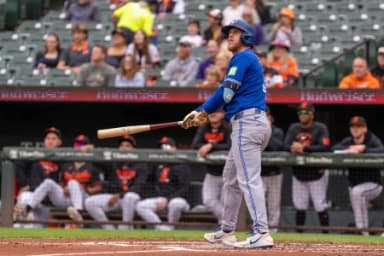
"As he lost a little bit of that rhythm and timing over the course of pretty early in the season, it started to impact his confidence," Atkins said.
That's a real, specific breakdown of how a slump can spiral, starting with something mechanical before eventually becoming psychological.
Atkins went further, explaining why that shift made things especially difficult to fix in real time.
"Once it impacted his confidence, in-game and in-season adjustments became very difficult."
Why this framing lines up with Guerrero's own comments
This explanation tracks closely with what Guerrero himself has said throughout the season, including his own admission that he sometimes wondered why he wasn't producing despite his contract and his continued hard work.
Atkins isn't pointing to a single mechanical flaw or a hidden injury as the root cause. He's describing a compounding problem, where early rhythm issues snowballed into something much harder to correct once confidence became part of the equation.
That's a meaningful distinction for how Toronto approaches Guerrero's offseason work. Fixing timing and rhythm is a technical, coachable problem. Rebuilding confidence after a full season of struggle is a much different challenge entirely.
Guerrero finished the year well below his career norms, an outcome made even more public given his own controversial comments earlier this month about his contract being payment for past performance rather than future output.
Atkins's explanation offers a more clinical, less controversial framing of the same struggle, focusing on the mechanics of how a slump takes hold rather than the financial or emotional side of the conversation.
Whether Toronto's offseason approach centers on rebuilding his timing early, addressing the mental side directly, or some combination of both will likely shape how quickly Guerrero can bounce back heading into 2027.
Do you agree with Ross Atkins that lost confidence, not just mechanics, explains Guerrero's rough season?