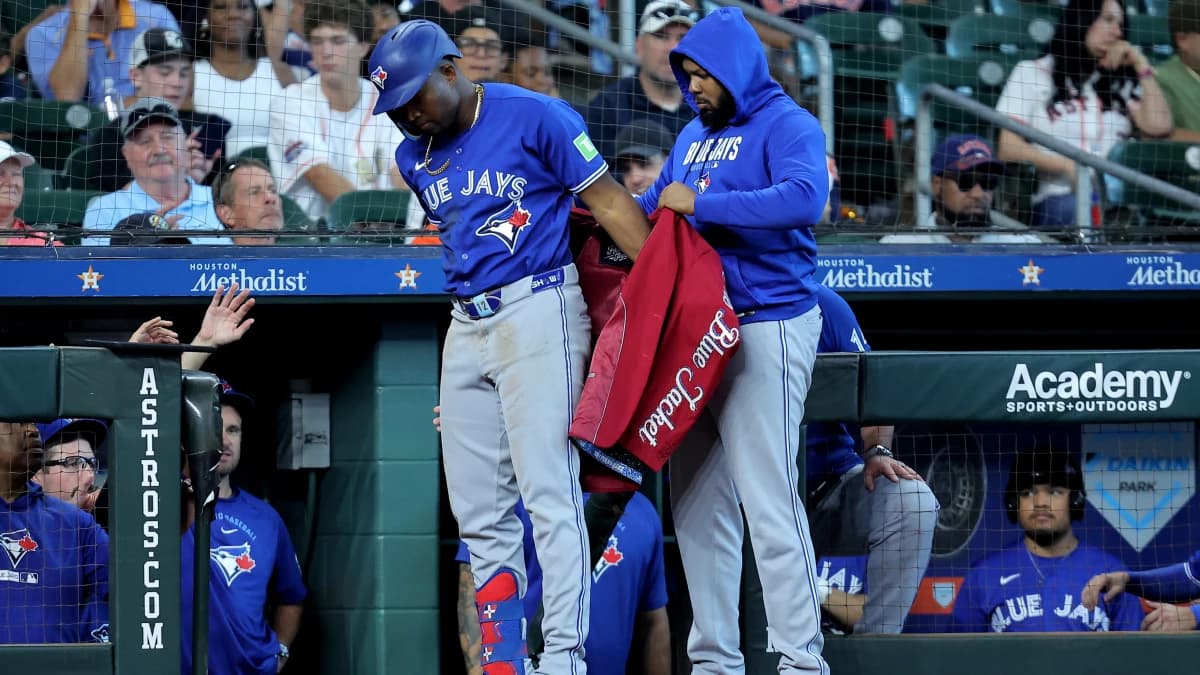

The Toronto Blue Jays parted ways with outfielder Jesus Sanchez this week, and the exit ended up saving the franchise close to $1 million.
The Arizona Diamondbacks claimed Sanchez off waivers after Toronto designated him for assignment, taking on his contract with two weeks left in the regular season.
Sanchez was hitting .260 with 8 home runs and 35 RBI across 98 games with the Blue Jays this year before things went cold.
Over his last 10 games, he managed just 4 hits in 19 at-bats, a rough stretch that made the roster spot easy to give up.
Toronto sits at 75-76 heading into tonight's series finale against Detroit, a game they need after dropping last night's 5-6 decision to the Tigers.
That kind of record does not leave much room for a bat that was not producing, and John Schneider's club needed the flexibility more than the outfielder.
Here is the catch for Arizona. They still owed Sanchez roughly $500,000 in remaining salary, but Toronto's luxury tax situation flips that math around.
Diamondbacks can't even use Sanchez if they make the playoffs
The Blue Jays are taxed at a 90 percent rate on money still owed to players once they clear waivers, turning a modest cut into a real savings of about $1 million.
Rogers Communications does not exactly need the help balancing a budget. But nobody turns down free money in September, not even a big-market owner.
Arizona sits at 80-71, mixed up in the fight for the final National League Wild Card spot with the San Diego Padres, who sit at 81-69.
Here is the part that stings for the Diamondbacks front office. Sanchez was claimed after the August 31 deadline for postseason roster eligibility.
He can suit up for Arizona over the final two weeks of the regular season. He cannot play a single postseason inning for them even if they get there.
That makes this a strange bet for Arizona, paying out real salary for a player who only helps them if the games do not matter for him.
Sanchez still has one more trip through arbitration ahead in 2027, closing a season where he earned $6.8 million split between two organizations.
For the Blue Jays, the return is simpler. A struggling bat is gone, some tax money stays in the bank, and the roster spot goes to someone who might actually help down the stretch.
Whether that person hits any better remains the open question nobody in Toronto has answered yet.
Should the Blue Jays have kept trying to develop Jesus Sanchez instead of designating him for assignment?