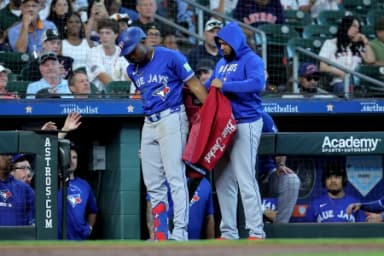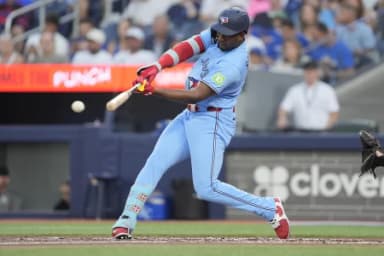

John Schneider had a simple explanation for why Tyler Rogers didn't pitch in last night's loss.
"When a guy throws 83 from down under, you think you can pitch them every day," Schneider said. "I wish he could."
That's an honest admission from a manager who clearly wanted his submarine reliever available.
"I wish he was available tonight, and I wish they were all available every night and they didn't get tired," Schneider continued. "But he's got the same restrictions as everybody."
Rogers' unusual arm slot and lower velocity can create a misleading impression that he's less taxed than a traditional power reliever.
Schneider's comments directly push back on that idea. A submarine delivery still requires real recovery time between outings, regardless of how the pitch itself looks.
Why bullpen management matters more than ever right now
Toronto's relievers have carried one of the heaviest workloads in baseball all season, covering length behind bullpen games and a rotation battered by injuries.
That context makes decisions like this one about more than a single game. Overusing any reliever risks a much bigger problem down the stretch, right when Toronto needs its bullpen most.
The Blue Jays remain deep in the wild-card race with a limited number of games left, and every bullpen decision gets scrutinized closely at this stage.
Schneider's willingness to explain the reasoning, rather than deflect the question, suggests a manager trying to manage expectations around a relief corps that's genuinely stretched thin.
Rogers figures to be available again soon, once his normal rest cycle allows it.
For a bullpen that's already logged one of the most demanding workloads in the league, protecting arms like Rogers now is exactly the kind of decision that could pay off in October, if Toronto gets there.
Do you agree with John Schneider's decision to rest Tyler Rogers last night?