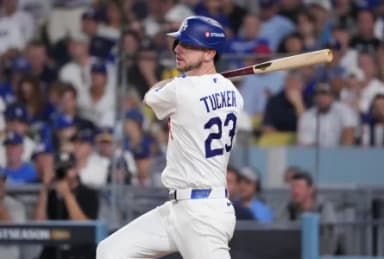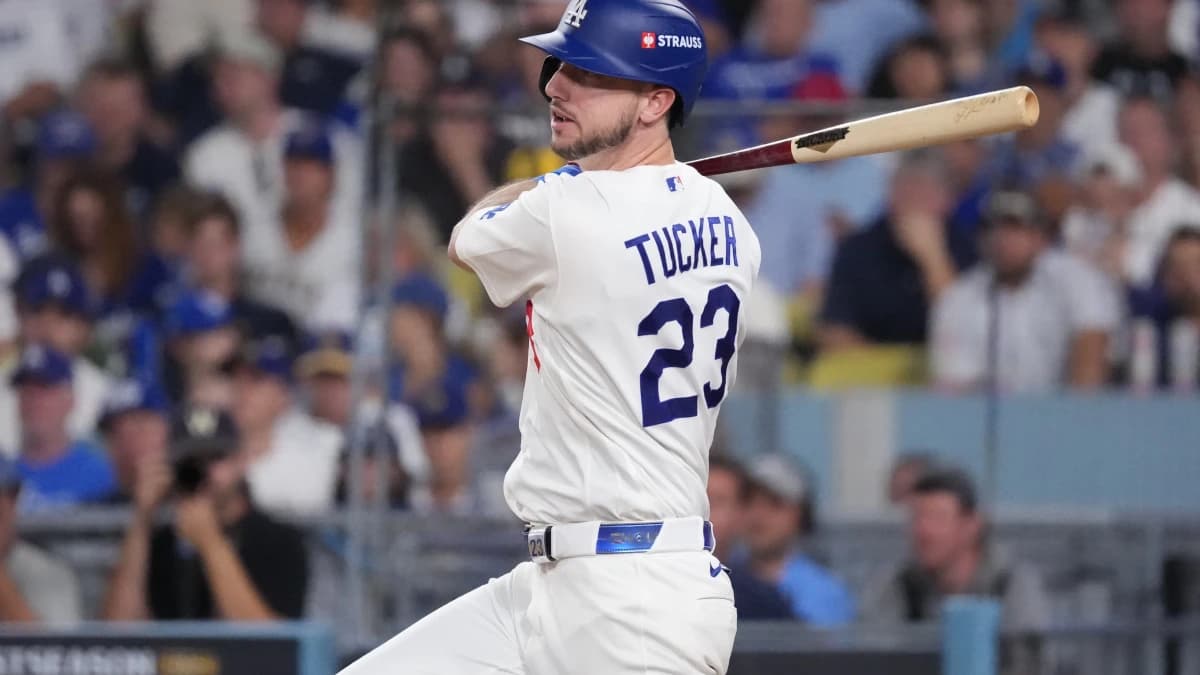

The Blue Jays reportedly offered Kyle Tucker a 10-year, $350 million contract last offseason, per Katie Woo. It's a striking look at how far Toronto was willing to go.
The offer didn't land. Tucker went elsewhere, and the Jays were left searching for outfield power heading into 2026.
It fits a familiar pattern. Toronto has made serious bids for stars like Shohei Ohtani and Dylan Cease in recent winters.
The Jays also met with Tucker in person last offseason, along with Framber Valdez. They signed neither.
Cease was the one big fish they finally reeled in, on a seven-year, $210 million deal. Vladimir Guerrero Jr.'s $500 million extension came the same year.
What does this reveal now? That the money is there when Toronto wants a player badly enough.
Kyle Tucker's rejected offer shows how much Toronto will spend
Mark Shapiro has said he doesn't expect “any major fundamental change” to payroll this winter.
That matters for this year's targets. Seiya Suzuki, Brandon Lowe and Teruaki Sato are all on Toronto's radar, along with Tarik Skubal.
Missing on Tucker had consequences. The Jays finished last in MLB in runs in 2026, with the outfield among their biggest weak spots.
A $350 million offer proves the commitment, but commitment without results doesn't win games. This winter, Ross Atkins needs to land the bat, not just make the call.
Making the biggest offer and losing is like placing the highest bid on a house that sells to someone else. You showed you were serious, but you're still renting.
The good news is that this winter's top bats should cost far less. Bleacher Report projected Suzuki at five years and $145 million.
The lockout adds urgency. With the CBA expiring Dec. 1, deals could come fast, and Toronto can't afford another near-miss.
The Tucker offer is now history. Whether the Jays turn that willingness into an actual signing this month will define their winter.
Will the Blue Jays finally land a top free-agent bat this winter?