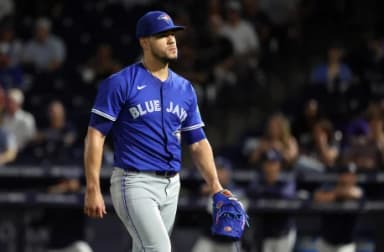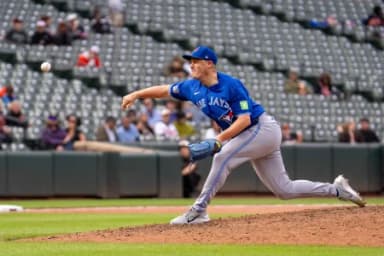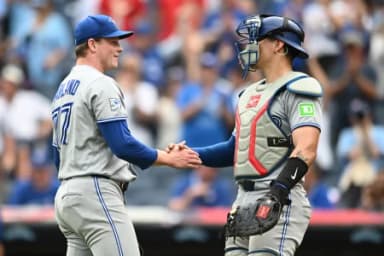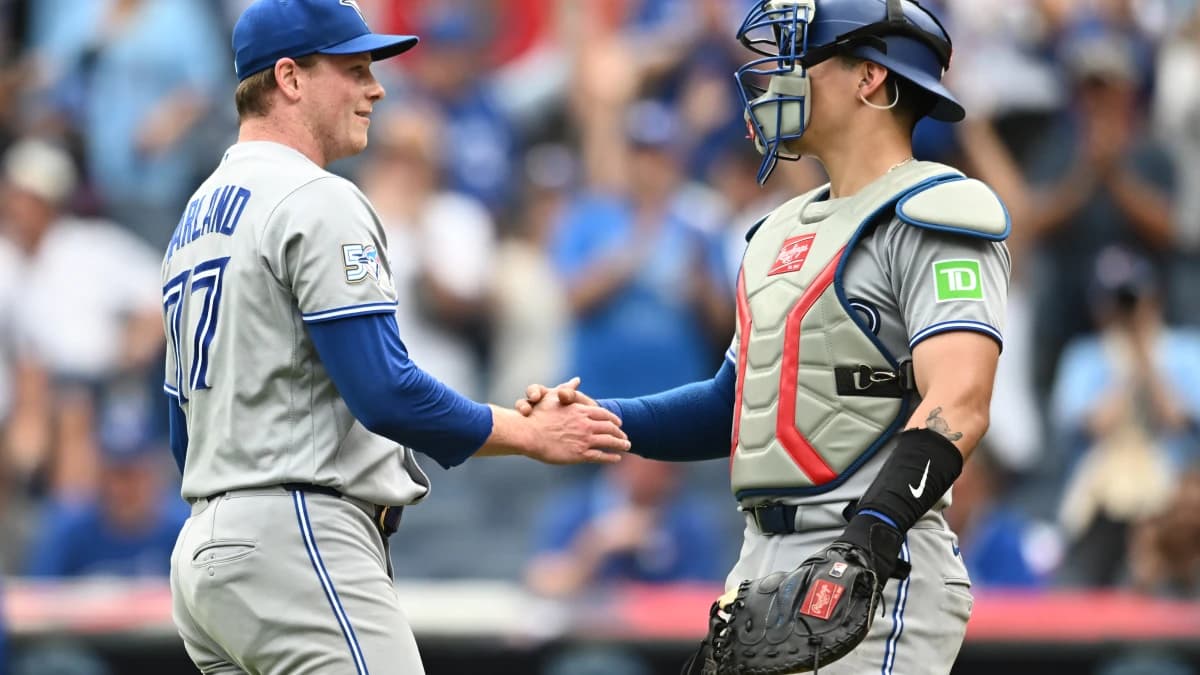

Louis Varland is being pitched as a sell-high trade chip again. The Blue Jays have to decide whether their All-Star closer is worth more on the mound or on the market.
SI's Adam Steinmetz made the case in a recent piece. "Louis Varland was arguably the best reliever in baseball this season. That is exactly why the Blue Jays should trade him," he wrote.
His reasoning is blunt. Steinmetz argued that "relievers are more volatile than Bitcoin" and that "closers are not as valuable as many believe."
The 2026 resume is hard to argue with. He saved 35 games and struck out 97 batters across 71 appearances.
He also made his first All-Star team, pitching the eighth inning of the Midsummer Classic at Citizens Bank Park on July 14.
But is he really that volatile? He posted a 2.97 ERA across 74 games split between the Twins and Blue Jays in 2025.
Two straight strong seasons complicate the sell-high argument
Two straight years of reliable work is a track record. That's the strongest counterpoint to the volatility case.
Losing him would hurt. His breakout was one of the few bright spots in a last-place season, and the bullpen was the club's clear strength.
The setup corps behind him isn't empty, either. Tyler Rogers posted a 1.77 ERA, and Mason Fluharty led the majors in appearances.
Trade him only for a star. A controllable starter or a middle-of-the-order bat makes it worth it, and anything less turns a sell-high move into a giveaway.
Trading a closer at his peak is like cashing out a stock that's still climbing. Smart on paper, painful if it keeps going.
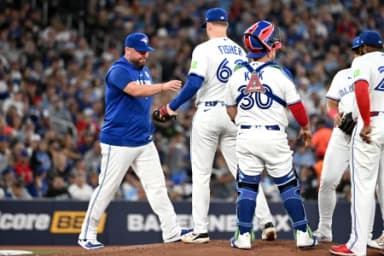
Toronto does have options. Spencer Miles came out of nowhere as a Rule 5 pick, and Braydon Fisher has earned a shot at bigger innings.
The 6-foot-1 right-hander, a five-year veteran, would draw plenty of interest. The question is whether any team pays the kind of price that makes Toronto blink.
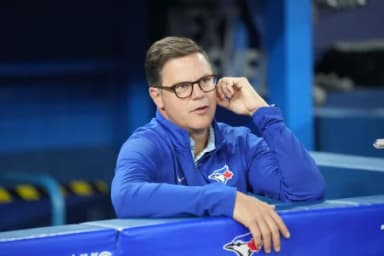
Ross Atkins doesn't need to shop him. He just needs to answer the phone, and be ready to say no if the offer comes up short.
Should the Blue Jays trade Louis Varland only if they get a star in return?