
Rogers has officially completed its purchase of MLSE, uniting the Blue Jays under one corporate roof with the Leafs and Raptors.
Keith Pelley was already the most powerful figure in Canadian sports as MLSE's president and CEO. That influence is about to grow significantly.
With Larry Tanenbaum's 25% share now acquired, Rogers controls everything from the Blue Jays, Maple Leafs, and Raptors to TFC and the Argos under one umbrella.
As part of the restructuring, Rogers will create a new business unit called Rogers Sports, combining "sports, media and entertainment businesses together including MLSE and the Toronto Blue Jays."
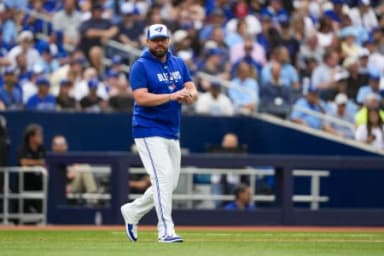
Pelley remains in charge of MLSE, ending speculation that Blue Jays president and CEO Mark Shapiro might ascend to that role instead.
Pelley also takes on added responsibility over Sportsnet, Rogers' broadcast arm, "effective immediately," according to the company.
Why Shapiro stays firmly in control of the Blue Jays
The official release states it plainly: "During the interim, it remains business as usual. Keith Pelley will remain President and CEO of MLSE and Mark Shapiro will remain President and CEO of the Toronto Blue Jays."
That word "interim" leaves room for speculation about future changes, even as it signals no immediate shakeup.
Shapiro will continue running all things baseball, including Rogers Centre itself, a vote of confidence tied directly to Rogers chairman Edward Rogers' long-standing support of his business leadership.
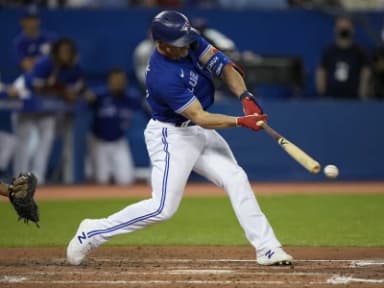
That trust makes sense given the revenue the Blue Jays have generated under Shapiro's watch. Despite finishing last in the AL East for the second time in three seasons, fans packed Rogers Centre all year, riding the high of last October's World Series run.
The Blue Jays sold out 61 games this season, with the remaining 20 within a couple thousand fans of a full house, a remarkable number given how the on-field results actually went.
Pelley's own background makes him a logical fit for the expanded broadcast role. He previously served as president of Rogers Media from 2010 to 2015, negotiating the 12-year, $5.2 billion NHL rights deal that gave Rogers national broadcast control.
The real uncertainty now centers on how this consolidated power gets used. Will ticket, merchandise, and broadcast prices keep climbing? Will other media outlets lose access as Rogers tightens control over its own properties?
"Individually, these are extraordinary teams, brands and businesses," Rogers president and CEO Tony Saffieri said in the release. "With communications, sports and entertainment together, it makes Rogers a truly world-class company that cannot be replicated."
It's also a monopoly over Canadian sports unlike anything else in North America, one that leaves plenty of open questions for fans heading into this next chapter.
Are you worried this Rogers-MLSE consolidation will drive up costs for Blue Jays fans?